


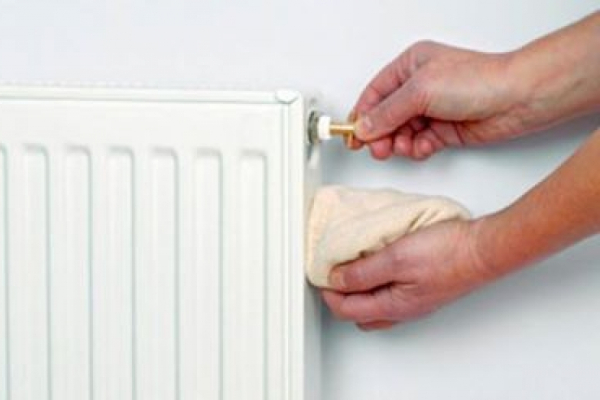
Have you thought about bleeding your radiators?
This easy DIY task improves water circulation in your heating system by removing any air pockets. This will improve the efficiency of your radiators.
When should you bleed your radiators?
It is advisable to bleed your radiators before turning on your boiler, at the start of the heating season, or whenever one of your radiators does not heat evenly across its entire surface.
How do you bleed your radiators?
- Switch off the heating. Before you begin, switch off the boiler by setting it to summer mode.
- Open all your radiator valves fully to allow water to circulate freely in your heating system.
- Follow this procedure, starting with the radiators located lowest in your building: (if you start at the top, air bubbles will rise when you bleed the radiators at the bottom).
- Use a bleed key or, if you don't have one, a flat screwdriver or needle-nose pliers.
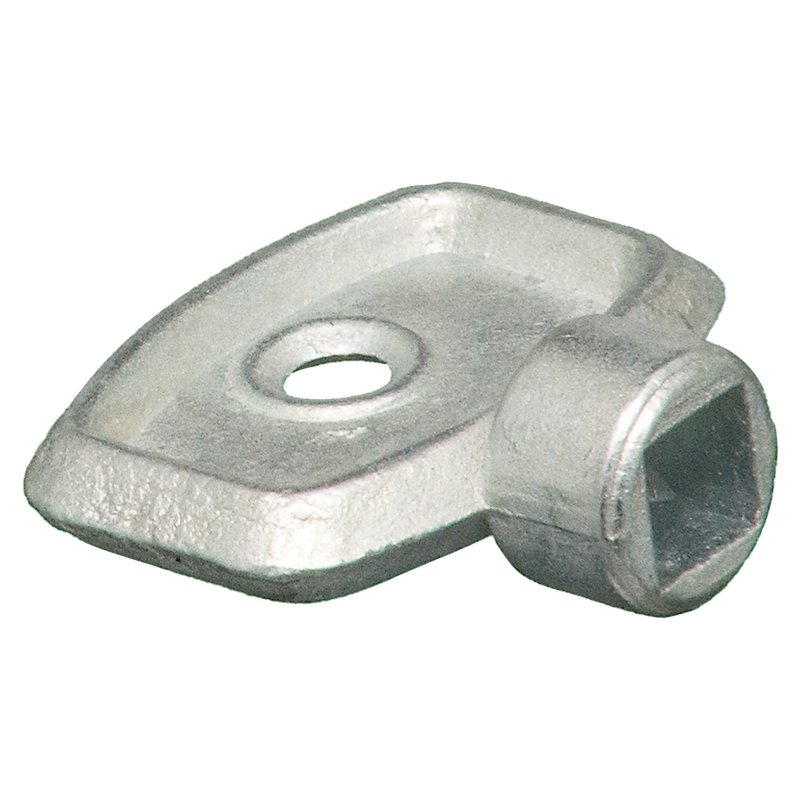
- Locate the bleed screw at the top of the radiator, opposite the thermostatic valve.
- Take a container or cloth and place it under the bleed screw, then unscrew it slightly until you hear the hiss of air escaping from the radiator. You can tighten the screw once there is no more air and you see a steady stream of water flowing out (the water may contain impurities).

- Use a bleed key or, if you don't have one, a flat screwdriver or needle-nose pliers.
What should I do after bleeding my radiators?
After bleeding your radiators, the pressure inside your heating system may have dropped. You will then need to restore the pressure by adding water to the system via the fill tap, which is usually located under or near the boiler (consult your boiler manual).
- Open the tap and monitor the pressure gauge on the boiler control panel.
- When the needle reaches the recommended pressure, which may vary depending on the model but is usually indicated by a green zone on the dial, close the tap.
Do not hesitate to contact your heating engineer if you have any doubts.
Thanks to the Snugr heating management and optimisation system, this procedure is even simpler. Snugr has a maintenance mode that switches off the boiler and opens all the radiator valves fully during the bleeding process, saving you from having to go around all the radiators to open all the valves fully before you can start bleeding them.. 
Would you like to find out more about Snugr? Visit our website at www.snugr.be