


When temperatures drop, we all have the same reflex: turn up the heating. But if, despite turning the thermostat up to the maximum, some rooms remain cool, if your radiators are hot at the bottom but cold at the top, or if strange noises from the pipes disturb your peace and quiet, the problem is rarely what you think it is.
Before blaming your boiler or resigning yourself to overconsumption, a simple maintenance of your radiators can work wonders. Forget the image of a complicated intervention reserved for professionals. Dusting and bleeding your radiators are two quick actions that anyone can do and that can save you up to 15% on your heating bill.
This guide explains how to transform your sluggish radiators into real allies for your comfort and your wallet.
1. Step one: Declare war on the invisible enemy, dust.
It may seem trivial, but dust is a real heat insulator. A layer of dust accumulated between the fins of your radiator prevents it from properly distributing heat throughout the room. Your boiler then has to work harder (and therefore consume more energy) to reach the desired temperature.
How can you do this simply and effectively?
-
Equipment: You will need a vacuum cleaner with a brush attachment, a long-handled feather duster (or a radiator brush) and a damp sponge.
-
The method:
-
Switch off the radiator and wait until it has cooled down to avoid burning yourself.
-
Vacuum as much dust as possible from the outside, the top and especially between the fins.
-
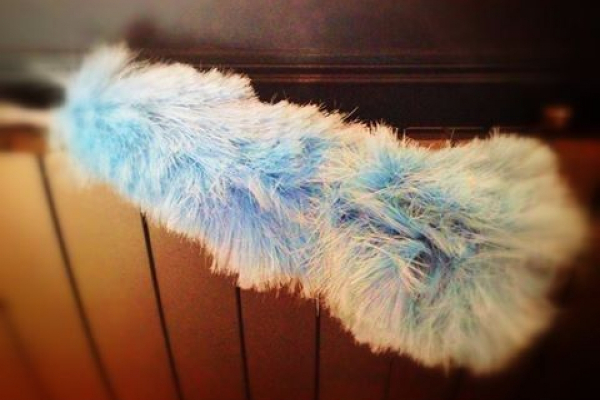
Use a feather duster or bottle brush to remove stubborn dust from hard-to-reach places. Feel free to place a damp cloth underneath to catch the dirt.
-
Finish by wiping the entire surface with a damp sponge for a flawless result.
-
Frequency: Thoroughly dusting before the heating season and quick maintenance once a month are sufficient to ensure optimal performance.
2. Step two: Release the air to let the heat through, purge
The most common sign that a radiator needs bleeding is a cold spot at the top. This means that air has built up in the system, taking the place of hot water and preventing your radiator from heating up evenly.
Find the complete guide to successful bleeding (without flooding!) in our article: How to bleed your radiators.
Congratulations! Your radiators are now ready to operate at 100% capacity.
High-performance radiators are good. Smart radiators are revolutionary.
As you have just seen, proper maintenance is the foundation of efficient heating. By removing dust and air from your radiators, you have already taken a big step towards optimising your consumption and improving your comfort.
But what happens if these radiators, now in top condition, continue to heat empty rooms?
That's where Snugr comes in. Manual maintenance ensures that your radiators can heat effectively. Snugr ensures that they only heat when necessary.
Our smart heating solution takes over and allows you to control each radiator individually. No more heating the office at the weekend or bedrooms in the middle of the day. You only consume the energy you really need, room by room, minute by minute.
-> Your radiators are now ready to perform. Find out how Snugr can make them work smarter at www.snugr.be